Many small businesses waste money on promotions that go nowhere. Perhaps they lack a marketing plan template to tie efforts into one overarching system.
You'll start with SMART objectives. Specific, Measurable, Achievable, Relevant, and Time-Bound goals allow your business to grow as you continually refine your campaigns and plot them on a calendar.
Hitting these targets takes research, planning, and follow-through. Study competitors to find gaps you can fill. Get clear on your ideal customer. Pick channels that fit your budget, whether that's SEO, social media, or PPC. Then track key metrics such as leads generated and return on investment.
This guide walks you through writing a marketing plan step by step. You can fill out this template as you go, one section at a time. To see how the pieces fit for your industry, check out our guide to
marketing strategies for service businesses.
The Essential Parts Of A Marketing Plan Template Every Owner Needs
Goal-setting is the first non-negotiable part of any plan. Start there before you spend a dollar or pick a channel. For example, attracting new customers is the
top marketing objective cited by small businesses.
A solid plan covers seven parts. Use this like a working checklist and fill in each one for your business.
- Business goals: Name what you want, like 20 new customers a month or $5,000 in extra revenue.
- Target market: Describe the exact people you serve, from age to location to what they need.
- Competitor research: Study who else fights for your target market and where they fall short.
- Budget: Set what you can spend each month without straining cash flow.
- Channels: Pick where you will show up consistently, whether that is search, social media, email, or a mix of two or three.
- Timeline: Map out when each campaign runs across the year.
- KPIs: Choose the numbers that show whether the plan is working, like form leads, phone calls, or booked jobs.
These parts feed each other. Your goals shape your budget. Your target market picks your channels. A complete marketing plan template ties these elements into one smart strategy.
It's the same essential framework Optimize Digital Marketing uses to help small businesses turn everyday marketing into steady leads.
Scoping Out The Competition In Your Neighborhood
Your competitors show you what works and what falls flat. A quick scan of nearby businesses can show you gaps to fill and mistakes to avoid.
Start with their digital footprint:
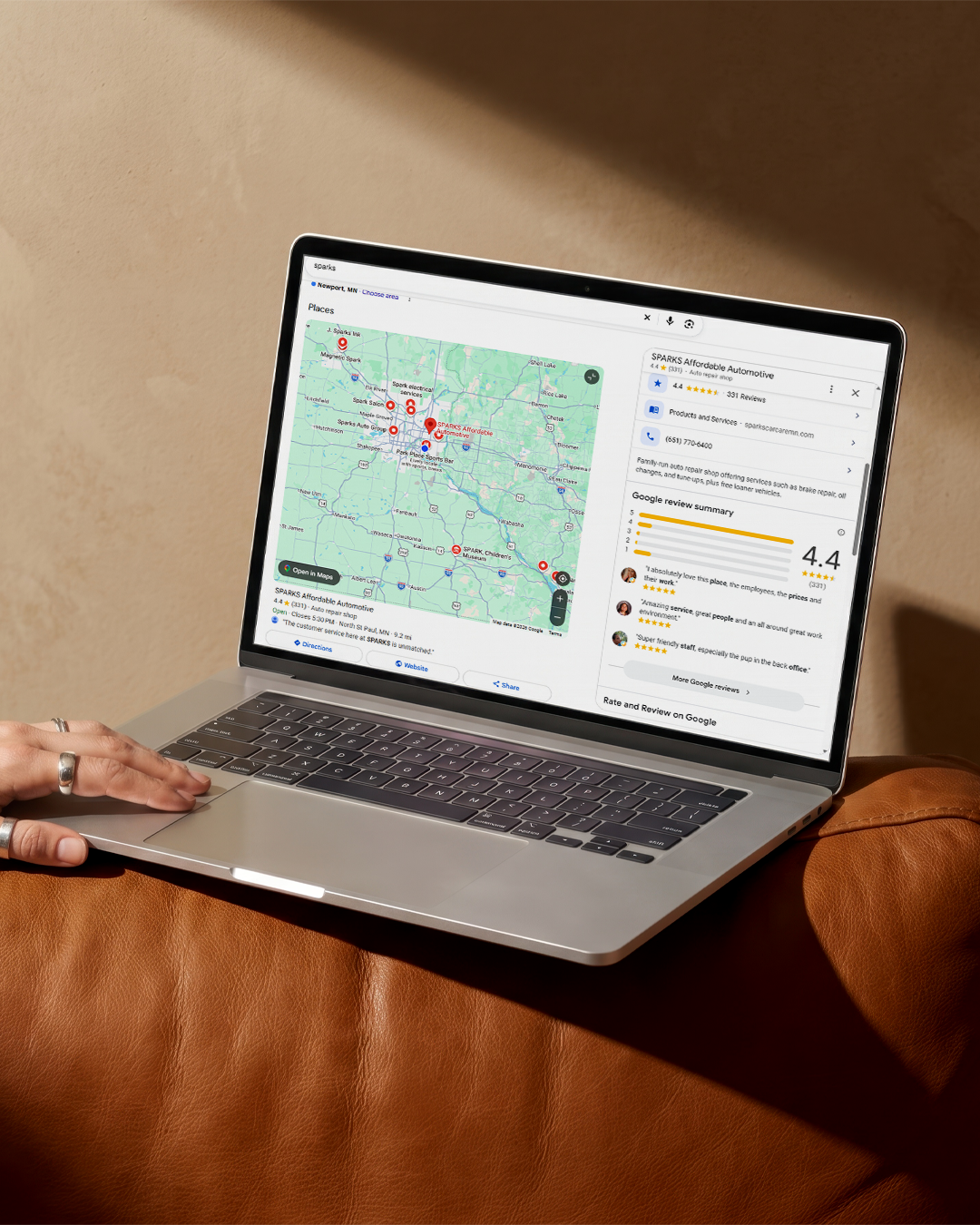
- Google Business Profile: Check their hours, photos, and how fast they reply to questions.
- Reviews: Read the 1- and 2-star ones. Complaints there point to needs you can meet.
- Website: See if it loads fast, works on a phone, and makes it easy to book or call.
- Social media: Note how often they post and which posts get real engagement.
This is where a simple SWOT analysis helps. Write one honest line for each:
- My strengths: What you do better than the shop down the street.
- My weaknesses: Where you fall short right now, like thin reviews, a dated site, or slow follow-up.
- My opportunities: The gaps competitors leave open, like slow response times.
- My threats: Outside risks, like a new competitor or a slower season.
Still unclear? Browse a few
SWOT analysis examples before you fill in yours.
Start by finding one gap your competitors keep leaving open, then build around that.
Choosing The Right Channels To Reach Your Customers
You don't need to be everywhere, but you want to show up where your customers already look. For most small businesses, two or three solid channels beat five half-managed ones every time.
Marketing works better when it's ongoing, not only when you're trying to fill slow periods. Steady work keeps people coming in.
Identify a clear purpose for each channel:
- SEO: Your long-term play for local visibility. It helps you show up when people search for the exact service you offer in your area.
- PPC: Best when you need leads faster. A tight Google Ads campaign can bring in calls quickly if the offer and landing page are strong. That's one reason that paid search
continues to lead digital ad spending in the U.S.
- Social media: Good for staying visible and staying familiar. Show up where your customers already spend time instead of trying to keep every app alive.
- Reputation management: An always-on channel. Ask for reviews and reply to every one, good or bad.
- Email: Hugely important for local service businesses. Use it to follow up on estimates, stay in touch with past customers, and bring back repeat business.
Pair each channel with conversion rate optimization so the traffic you already get turns into more booked jobs, form leads, and calls. For a deeper walkthrough, see our guide to
digital marketing for local businesses.
Setting A Marketing Budget That Won't Break The Bank
Most small businesses trying to grow spend about 7% to 10% of revenue on marketing. If you pull in $200,000 a year, that means $14,000 to $20,000, or roughly $1,200 to $1,700 a month.
That range shifts with your goals and stage. A new shop pushing for fast growth usually spends more. An established business may be able to stay closer to the low end. The
average marketing budget gives you a starting point, not a hard rule.
After you pick the number, decide where that money needs to work hardest. Here is a simple split you can adapt:
- SEO (40%): Your long-term play for free, steady traffic.
- PPC (25%): Paid ads for fast leads when you need them.
- Social media (20%): Content and light boosts to stay visible.
- Email (15%): Follow-ups and repeat business at almost no cost.
Start small if cash is tight. Focus your budget on one or two channels and pay attention to what brings in leads.
Pick a percentage you can afford, split it on purpose, and adjust as the numbers come in.
Creating Your Campaign Timeline And Action Steps
If it's not on the calendar, it may not happen. Give each campaign a launch date and a clear goal.
Organize your year by month or season. Tie promotions to local events, holidays, and the slower stretches when you need more bookings.
Copy this sample timeline straight into your calendar:
- January: Push a "new year" service special to fill a slow month.
- March/April: Run a spring promo tied to a local festival or event.
- June: Ask happy summer customers for reviews to build trust.
- September: Launch a fall email campaign to past customers.
- November/December: Offer holiday gift cards or seasonal deals.
Block one hour each month to plan the next campaign. That is usually more useful than scrambling when things suddenly get slow.
Digital marketing automations save time because you are not doing every follow-up by hand. Set it up once, and it can schedule posts, send follow-up emails after an estimate, and trigger a review request after a job wraps.
Start by opening up a calendar and penciling in your first three campaigns.
Measuring Success To See Your Real Results
Your marketing plan should end with numbers that show what is working.
These KPIs are the last box on your template, and they help you see where to keep spending and where to stop guessing.
If you only track a few numbers, try these:
- Lead form submissions: Each one is a person raising a hand to buy. More forms mean more sales conversations.
- Phone calls: Direct calls show real intent. Someone who dials is close to booking.
- Bounce rate: A high bounce rate means people land on your site and leave fast. That points to a page that needs fixing.
Watching these in separate places gets messy fast. A digital dashboard puts them in one view, so you are not checking five tools and still guessing at the end of the month.
That's where conversion rate optimization becomes useful. If a page gets traffic but barely produces form leads, you can change the headline or call to action and see whether more visitors turn into real leads. These are
important KPIs for any business
that wants to grow.
Make the most of your marketing budget.
Talk to Optimize Digital Marketing about building or reviewing your plan. We can help you tighten the strategy, fix weak spots, and set up tools to maximize your results.