“Write for your target audience” is one of the most popular pieces of marketing advice. But who is this mysterious group? Your existing customers? Err — not exactly.
A target audience is the group of people who are most likely to be interested in your products or services. They may already be part of your customer base, or they could be people you haven’t met yet. This audience usually shares at least a few behaviors or traits. For example, a mobile mechanic’s target audience could be lower-income Gen Z drivers who never learned how to change a tire (oops).
Lasering in on specific readers will help you create genuinely relevant content. Here’s how to find your target audience and start connecting.
Why Knowing Your Target Audience Matters
Your target audience is the people who benefit most from your products or services. Some may be eager to spend right away, but others won’t realize they need you — until they see your amazing marketing, that is.
Finding new customers costs, on average,
five times more than retaining your existing ones. When you know your target audience, you can shrink this expense by making it easier to acquire clients.
Let’s say two auto shops are trying to attract new customers. Shop A pays for Facebook ads aimed at anyone living in Chicago. But Shop B understands consumer behavior. They know their target audience heads straight to Google when their check engine light comes on, and they won’t want to drive a broken car across the city. So, Shop B buys Google Ads in their ZIP code — and earns a higher return on investment than Shop A.
Audience targeting also lets you create a stronger and more focused brand identity. Talking to thrifty customers who will do anything to save a few dollars? They’ll appreciate social media posts with DIY car maintenance tips. For busy moms, focus on how trustworthy and speedy your team is.
1. Analyze Your Current Customers and Market
You don’t need to hire a data scientist for a target audience analysis. There are plenty of affordable ways to collect information — no experience necessary.
Researching your target audience demographics is an obvious starting point. This includes basic traits like age, gender, and income level. You may already be gathering some of this information, like if you offer customers a free tire rotation on their birthdays.
Behavior and interests matter, too. Poll your social media followers about their challenges and hobbies. Something like “What maintenance task are you procrastinating on right now?” is sure to get clicks.
Ask even more questions by organizing focus groups. Or just browse top posts on online forums like Reddit's "r/askcarguys" to see what people are curious about.
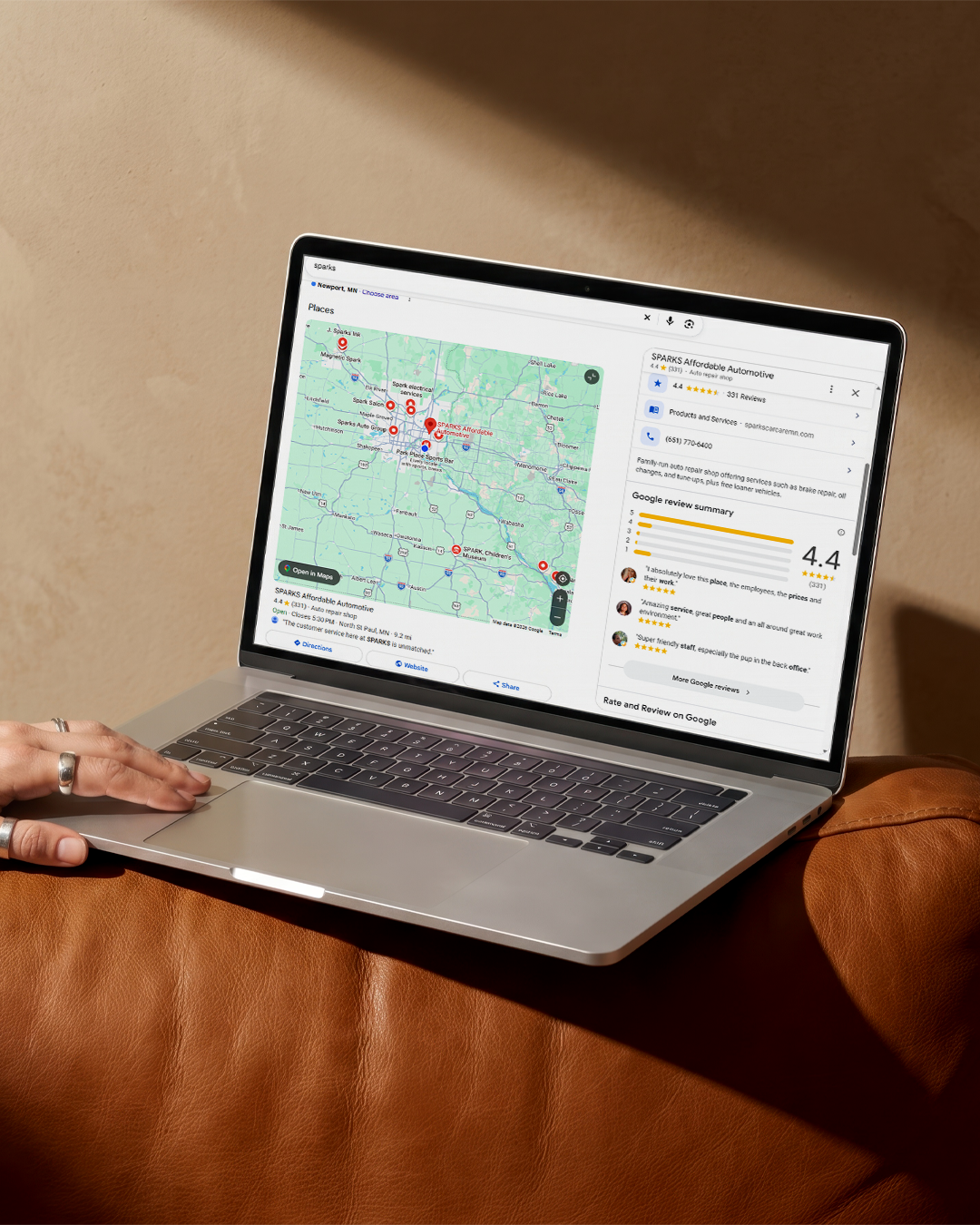
For close-to-home market research, use keyword tools to see what nearby customers are searching for. Is “Best oil for cars with turbo” trending in your city? Create a blog post with recommendations to draw in people ready to book an oil change.
2. Build Audience Personas
A heap of data is a great starting point, but it’s not very useful without context. Put this information to work by using it to develop user personas. These fictional characters represent your ideal clients, so you can put a (metaphorical) face to your audience.
You don’t need to write a Charles Dickens-length novel for each persona, but include relevant details like their:
- Goals
- Motivations (Ex: “Keeping my vehicle safe for my family”)
- Pain points, such as limited funds or knowledge
- Day in the life sketch
- Habits, like favorite social media platforms
Pretend you’re writing your content for these buyer personas. It’s much easier to talk to “Brenda, a 30-something mom with two kids and an ancient clunker,” than to “any woman.”
3. Understand Your Audience Through Data and Dialogue
Once you’ve got a general sense of who you’re addressing, flesh out your target audience profiles with hard data.
Google Analytics tells you everything you need to know about your website’s visitors. Demographics, location, even which pages they linger on — it’s all there, no charge.
Social media platforms also share free data about your followers’ activity and traits. For example, if you realize that 80% of your Facebook followers are male Millennials, you could add nostalgic ‘90s references to your marketing — Power Rangers joke, anyone?
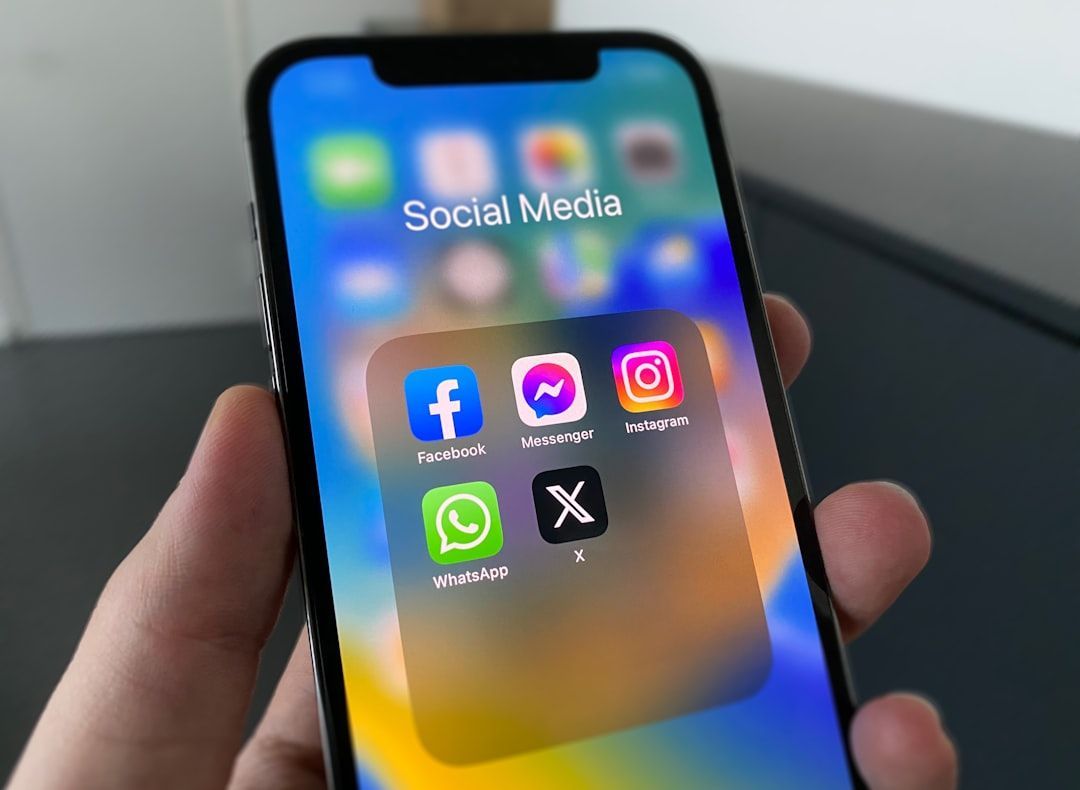
And don’t be afraid to ask your audience directly. Use online surveys or customer interviews to gather info and check your assumptions. You might think your audience is on Facebook, for instance, but they’re actually obsessed with Instagram.
4. Segment Your Market by Studying the Competition
Sign up for your competitors’ email lists and scroll through their social media profiles to get a sense of who they’re targeting. That meme-filled Facebook page probably targets Gen Z, while a newsletter full of tutorials is definitely written for DIYers.
This research will help you learn how to segment your market. If you notice any glaring gaps, like no one talking to families, try focusing on that for your next marketing campaign. That way, you’re reaching overlooked audiences and avoiding copying other businesses.
5. Test, Measure, and Refine
Learning
how to find your niche is only the beginning. To build a
high-converting lead funnel, you need to act like a scientist.
Test and Measure Engagement
Behind every successful marketing strategy lies a lot of experimentation. Use A/B testing to play with different messaging. Your customers may prefer quirky subject lines over emoji-filled ones, or only click calls-to-action with four words.
As you test out ideas, see how people interact with your content by tracking metrics like these:
- Click-through rate
- Comments, likes, and shares
- Impressions
- Number of reviews
Refine Based on What Works
Use your chosen metrics to identify your most effective content, and then make more of it.
Do your behind-the-scenes videos get twice as many clicks as the rest of your social media posts? Try more personal content, such as short interviews with your founder. If your 8 a.m. Facebook posts get more attention than afternoon ones, start posting while your coffee brews (or use a scheduling tool so you can sleep in).
Start Reaching the Right People Today
Understanding your target audience is the foundation of any marketing campaign. As you get to know them, you’ll naturally create more meaningful content and build brand loyalty.
Need help? Optimize Digital Marketing can help you research your audience and develop the best messaging. If you'd like to learn more about finding the proper target audience for your business,
contact us today!