Think about the last item you purchased online. Perhaps you first came across a social media ad about it. Interested, you visited the brand's website and subscribed to its email list. Then, a few days later, you received a promotional email offering a 25% discount on the product you wanted to buy, and you bought it. At each point, you were at a different stage of your journey with the brand.
That's exactly what lifecycle marketing comes down to. It's about reaching customers at the right time, holding their attention, and turning them into buyers and eventually loyal brand advocates.
This guide explores the stages of the buyer journey, from awareness to retention, to help you grow your business easily.
What Is Lifecycle Marketing and Why Does Your Shop Need It?
Lifecycle marketing is an approach that involves customizing your interactions with customers based on where they are in their journey with your brand. This means that someone discovering your brand for the first time should not receive the same messaging as a long-time customer.
Unlike traditional marketing, which typically uses blanket messaging for every audience, customer lifecycle marketing aims to nurture customers at every stage of the buyer journey, from initial awareness and conversion to retention. For this reason, it can be incredibly beneficial for your business, as it prioritizes increasing customer lifetime value (CLV) over quick, one-time conversions.
Winning the First Impression: The Reach and Acquisition Phase
The buyer lifecycle begins with the awareness stage. At this stage, potential customers are seeking a solution to a problem your product or service might solve. For example, a customer looking for a reliable auto repair shop for brake pad replacement might ask friends or family for recommendations, search online for options, or read reviews.
Customers at this phase aren't ready to buy. They want to learn more about your products or services and verify your business's credibility. As a result, your marketing should help prospects understand their problems and show how your business solves them without coming across as salesy.
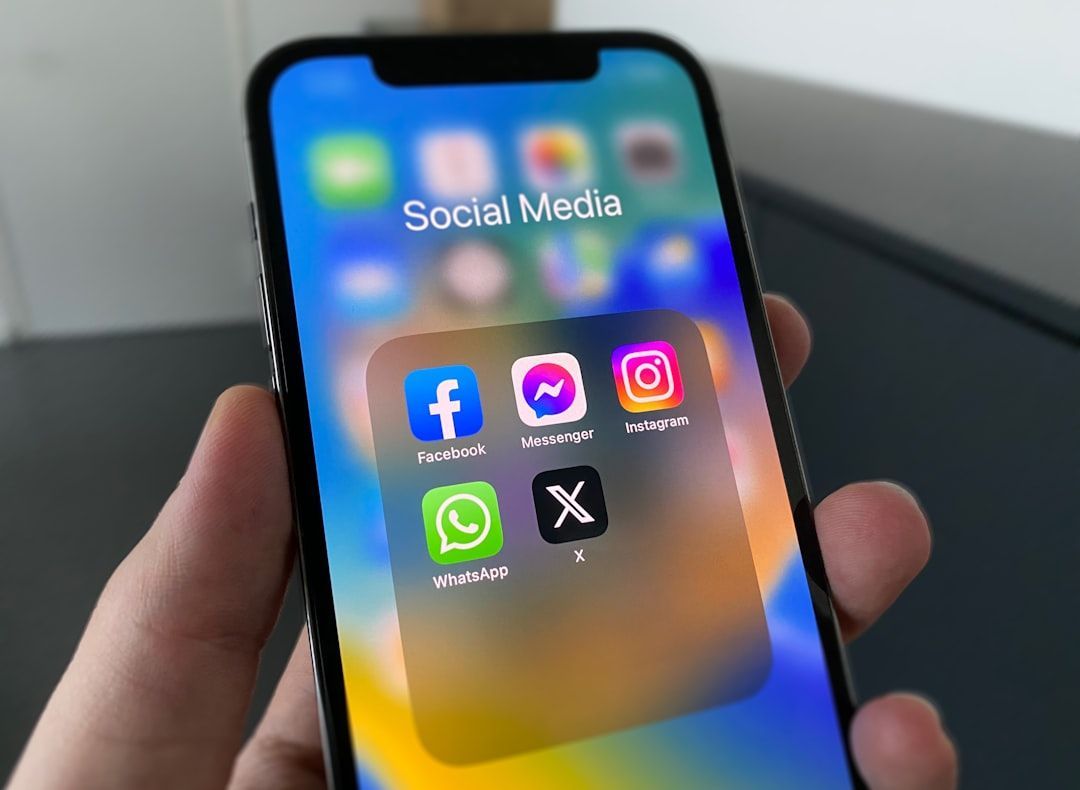
At the awareness stage, using social media ads could be an effective way to increase your brand's visibility and drive engagement. For instance, running
auto repair shop Facebook ads can be an excellent way to quickly reach a large audience looking for services like engine, tire, or brake repair if you want to direct prospects to your automotive shop website.
Alternatively, you could use local search engine optimization (SEO) strategies to reach high-intent customers in your area. Optimizing your local listings can help increase
Google Business Profile traffic and connect your business with nearby customers searching for your services.
Nurturing the Lead: From Website Visitor to Booked Appointment
If potential customers have clicked on a social media ad that led to your website and viewed specific pages multiple times, they may be comparing options. To convince prospects to choose your brand over others, your content should give them confidence in your brand.
At this stage of the customer journey, nurturing customers through case studies, customer testimonials, or positive reviews can be an effective way to earn their trust. If your business has several negative reviews, though, partnering with a
reputation management agency like Optimize Digital Marketing can help you address them and restore consumer trust in your brand.
Once prospects have gathered all the information they need about your offerings, and they trust your brand, you'll need to turn them into actual paying customers. So, how can you improve conversion rates on your website? Use these tactics to boost conversions:
- Use clear Calls-to-Action (CTAs):
Include compelling CTAs that clearly state your business's value proposition. For example, ''Get 20% off routine maintenance'' instead of ''Schedule routine maintenance.''
- Use landing pages:
Direct website visitors to service-specific landing pages. For instance, if a potential customer performs a search for the term ''engine repair near me'' and clicks your Google Ad, you'll want to direct the customer to an engine repair services page rather than your homepage. Working with an agency that specializes in
website design for service businesses can help you build high-converting landing pages.
- Minimize risk:
Remove doubts about purchasing decisions with clear guarantees or transparent pricing to give buyers peace of mind.
The Retention Secret: Keeping Your Business Top of Mind After the Sale
Many businesses leave a lot of money on the table by focusing on one-time transactions. Yet, customer retention is an important part of lifecycle marketing. In fact, it's much easier and cost-effective to retain existing customers than acquire new ones, particularly as the
cost of digital ads continues to rise across major platforms like Google and Meta.
After customers make a purchase, don't consider the sale done. Instead of simply thanking them, consider doing the following:
- Informing customers about new products, services, or discounts.
- Providing ongoing support through post-purchase follow-ups and service reminders. For example, you could send a service reminder to a customer who visited for an oil change.
- Sharing helpful resources, such as seasonal maintenance checklists or road trip inspection guides.
- Implementing loyalty programs to reward your most valuable customers.
Employing these strategies can help you strengthen your relationship with existing customers and increase their likelihood of purchasing again, thereby increasing your CLV.
In addition, rewarding high-value customers through loyalty or referral programs can turn satisfied customers into brand ambassadors who can help you grow your business through word-of-mouth marketing.
Using Technology to Automate Your Lifecycle Marketing Strategy
Effective lifecycle marketing uses personalized messaging. That's where customer relationship management (CRM) software comes in handy. A CRM system can allow you to gather, store, and manage customer information such as contacts, purchase history, and interaction logs in a central place.
Subsequently, you can use these details to monitor different customers and their positions in the buyer journey, letting you tailor your marketing more effectively. Besides helping with customer journey mapping, a CRM can also assist with marketing automation, as many modern CRMs support built-in workflow automation.
For example, you can use a CRM to set up a workflow trigger that sends a customer a follow-up email or SMS 30 days after an oil or filter change. This CRM capability can enable you to improve engagement and conversions by delivering messaging that aligns with each customer's needs and lifecycle stage at the right time.
Start Building Your Customer Lifecycle Roadmap Today!
Building an effective customer lifecycle roadmap for your business requires you to nurture your customers at every stage of the buyer journey, from the moment they realize they need service through long-term maintenance.
Bearing that in mind, here's a quick checklist you can use to develop your lifecycle roadmap:
- Lay the foundation:
Identify your objectives. For example, more online appointment bookings or improved retention, and select a CRM to collect customer data.
- Map the lifecycle stages:
Define the customer journey from awareness to retention. This may involve listing all the ways customers may have interacted with your brand, such as social media ads, website visits, or customer support calls.
- Plan actions for each stage:
Determine what to do at each stage. For example, you could send customers who recently converted service reminders or post-service follow-up emails.
- Analyze results:
Track metrics such as online booking rate and average repair order to identify areas for improvement.
If you implement a cohesive lifecycle marketing plan, your customers won't just buy once and disappear. They'll keep coming back, increase their spending, and recommend your brand to others.
Ready to turn one-time customers into loyal fans?
Contact us to discover how we can help you with lifecycle marketing and grow your revenue.