You've spent hours designing what you thought was the perfect ad, but it only gets two clicks all week. Meanwhile, a silly Facebook video you shared on a whim is your most popular post in months. What gives?
How your customers respond to your marketing might seem random, but it's not. You can often find patterns if you track how people respond to your content. Digital analytics helps you gather and interpret this data from your website, mobile apps, and other sources.
If you're a small business owner, digital analytics can help you decide where to focus your energy and money. That way, you're not relying on your gut for your next marketing campaign.
The Basics: What Is Digital Analytics?
Digital analytics uses online data to explain how people interact with your content. It looks for patterns in this data to help you see what catches your audience's attention and where you could improve your marketing.
Small businesses often start by tracking
digital marketing KPIs, such as:
- Booked appointments
- Bounce rate
- Cost per lead
- Customer acquisition cost
- Email open rate
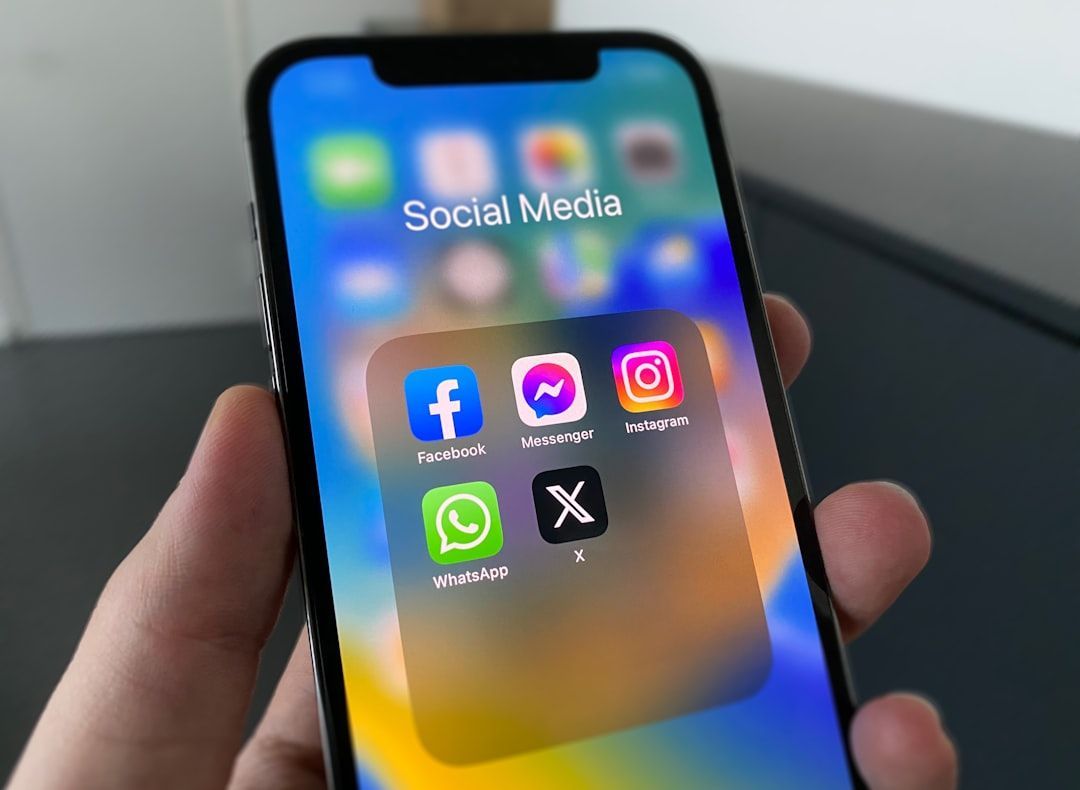
- Social media engagement (likes, comments, shares, and reposts)
- Website traffic
You can analyze these metrics for individual pieces of content or for an entire campaign. If you're experimenting with different marketing channels, digital analytics also helps you figure out which ones get the best results.
It's not just about seeing which numbers go up or down. Digital analytics focuses on the underlying "why" behind your audience's behavior. That lets you create more targeted marketing that speaks to your customers' actual interests and needs.
Suppose an auto shop shares how-to videos on Instagram and links to its website in the captions. With digital analytics, they realize that posts starring a certain employee bring more visitors to their website than videos showing only cars. They wonder if something about that team member's personality connects with viewers or if people simply like seeing a familiar face.
The shop decides to test this idea by creating how-to content with different mechanics. They also experiment with staff spotlight videos and behind-the-scenes clips. Based on the results, they can adjust their content calendar to focus on the types of posts that get the most engagement and web traffic.
Where Does Your Marketing Data Come From?
Digital marketing analytics draws on three types of data:
- Social media data, including clicks, likes, comments, and video views
- Web data, such as page views, time on page, conversions, and click-through rates
- Customer relationship management (CRM) data:
Information you collect from customers, such as sales records and purchase histories
Many platforms have built-in analytics tools to help you gather this information and spot trends. For example, the Meta Business Suite tracks how your Facebook and Instagram content performs. It also collects audience demographics, so you can see if you're reaching Gen Z college students or middle-aged professionals. Another popular tool is Google Analytics 4 (GA4), which monitors who visits your website and how they interact with it.
You may feel tempted to start with a single tool (hey, you're busy), but that might not show the whole picture. Customers often bounce between channels as they interact with your business or encounter it in different places.
For instance, if you only gather data from paid ads, you might assume that they aren't very effective if the conversion rate is low. However, people might return to your site later or call you directly. Looking at data from these different sources can help you connect the dots and see what's actually drawing people in.
Ditching Vanity Metrics for Insights That Actually Matter
When it comes to customer behavior analysis, not all data is worth interpreting.
It's easy to get hung up on vanity metrics that look good but don't necessarily help your business. You might feel delighted if a Facebook post gets dozens of likes or shares. However, if your goal is to book more appointments this week, a popular post might not help you accomplish it. That's especially true if most of those users aren't even in your area.
Instead, focus on metrics that tell you whether you're making progress toward your goals. For instance, the number of leads and calls you receive can help you gauge how well your marketing is attracting customers.
For auto shops, tracking meaningful interactions matters because customers don't always book right away.
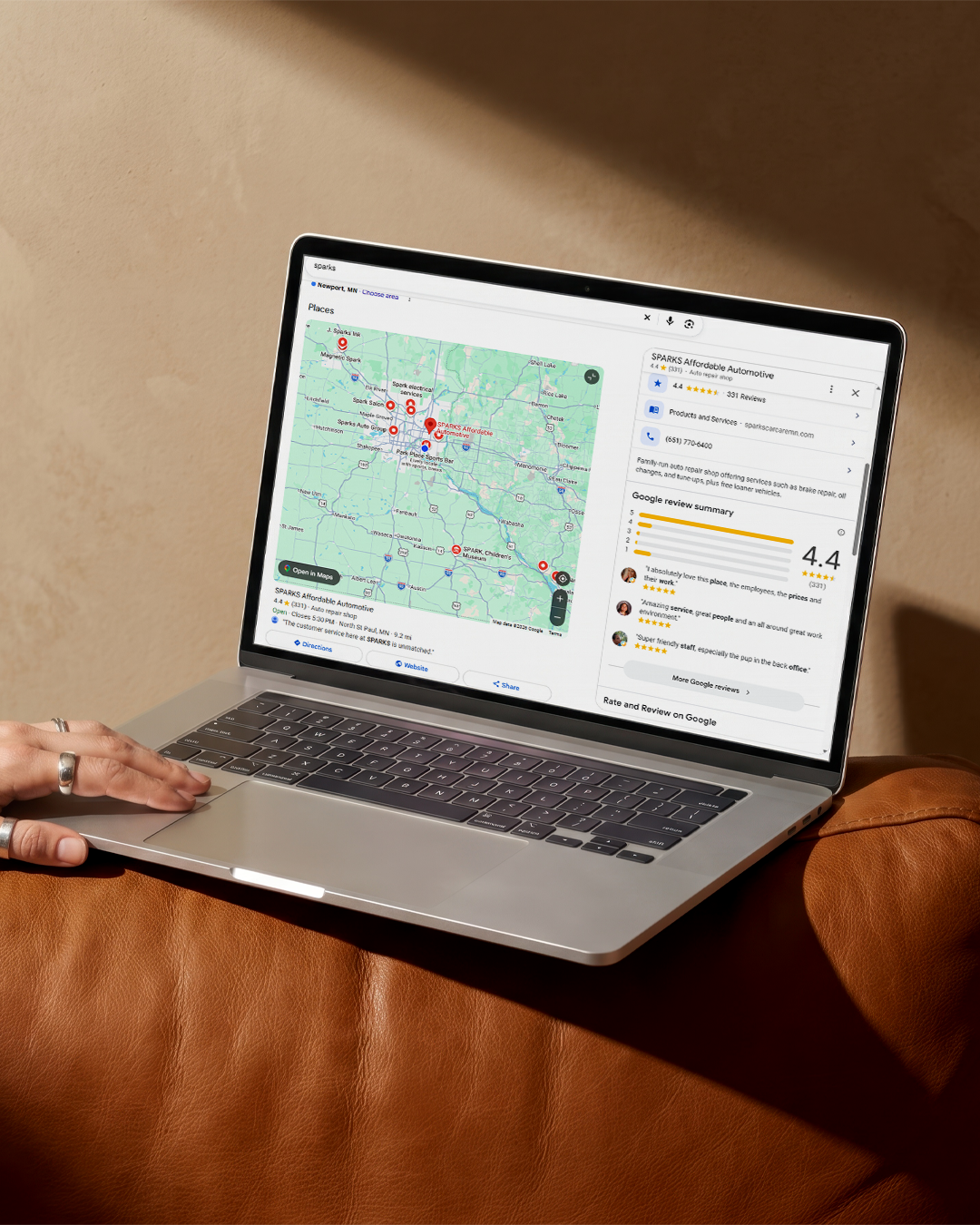
Someone might browse your service page for brake repairs but decide it's not urgent. Once they can't ignore their squeaky brakes anymore, they might check out your Google Reviews or social media before booking.
Monitoring this entire journey could help you spot opportunities to turn leads into bookings. Maybe that driver would have scheduled an appointment sooner if you had sent them a coupon or if your service page had included a more obvious call-to-action button. |
Turning Data Into Actionable Marketing Wins
Digital analytics is only worth it if you use it to make data-driven marketing decisions. Otherwise, you're just crunching numbers without applying what you learned.
Let's say you own an auto shop and decide to run two paid ads: one that targets families and another that highlights your excellent customer service. If analytics shows that the family-oriented ad leads to twice as many appointments, you might decide to scale it. Meanwhile, you might stop running an ad that doesn't perform well or rewrite it.
By helping you see what's working and what's falling short, this approach can help you improve your campaign performance. It may also save money and boost your marketing return on investment.
Choosing the Right Tools to Track Your Success
Marketing analytics tools automatically gather and organize behavioral data. Some even turn this information into visualizations that help you quickly see what's happening.
Common platforms include:
- GA4 for tracking web and mobile traffic
- Google Business Profile for observing how people interact with your local listing
- Hootsuite for social listening and social media analytics
- Meta Business Suite for monitoring social media reach and engagement
Of course, you probably don't have time to keep an eye on five different platforms. An all-in-one dashboard can help you track your performance without taking time away from running your small business.
Optimize HQ, for instance, lets you analyze data from your CRM, social media, reviews, website, and more. It turns this information into easy-to-read reports and visualizations. That's much simpler than trying to combine everything into a giant spreadsheet.
Your Quick-Start Guide to Data-Driven Growth
You don't need to hire a data scientist to begin using digital analytics for your small business. Get started with these easy steps:
- Set goals:
Figure out what you want to accomplish before you gather a single data point. If you own an auto shop, you could aim to book 15 new customers each month or increase your leads by 20%.
- Track everything (within reason):
Use analytics tools to monitor metrics related to your goals, but don't go overboard. Too much data could overwhelm you.
- Review progress monthly:
Don't leave your data in the metaphorical drawer. Set aside time every month to check your performance and tweak your marketing campaigns as necessary.
Data Is Your Business’s New Best Friend
Your business probably already collects heaps of data, even if you don't realize it. Analyzing this information and tracking the right metrics can help you stay ahead of competitors who are still relying on their intuition.
You don't need to be a math genius to use digital analytics. Software like GA4 makes it easy to gather and analyze behavioral data.
The right partner matters, too. Optimize Digital Marketing can help you decide which metrics to focus on and use these findings to connect with your audience.
Contact us to learn more about how our expert team can make digital analytics work for you.