Many small businesses rely on pay-per-click (PPC) advertising to attract potential customers and drive conversions, especially when they're just getting started. The right strategy will help boost both your social media and your search engine marketing efforts, and key metrics will help you refine your campaigns as you go.
Discover the benefits of PPC for small-business advertising to get started.
What Is PPC Advertising?
Pay-per-click is an online advertising model that charges you a fee whenever someone clicks on your ad. This means you'll generally have to pay only for successful conversions rather than paying every time someone sees your ad and continues scrolling. From a search engine optimization (SEO) perspective, PPC advertising drives more traffic to your website than you'd organically receive.
What platforms are best for small-business PPC ads?
Various apps, search engines, and social media platforms offer PPC advertising for small businesses, giving you easy ways to reach your target audience. The most optimal platforms ultimately depend on whom you're marketing to, as every app appeals to different demographics. For example, LinkedIn is ideal for reaching business-to-business (B2B) decision-makers, while Instagram and Facebook target users based on their specific interests.
The best PPC advertising platforms include:
- Google Ads
- Microsoft Ads
- Bing Ads
- LinkedIn Ads
- Facebook Ads
- Instagram Ads
Benefits of PPC for Small Businesses
The key benefits of PPC advertising for small businesses include:
- Immediate visibility:
PPC ads let potential customers instantly see your message and visit your website, even if you haven't established a substantial social media following or an authoritative reputation with the search engines yet.
- Precise targeting:
Social media platforms and search engines let you target users based on their search intent, interests, and behavior. For instance,
Google Ads targets relevant keywords in users' search queries, while Instagram Ads targets users who have interacted with similar content in the past.
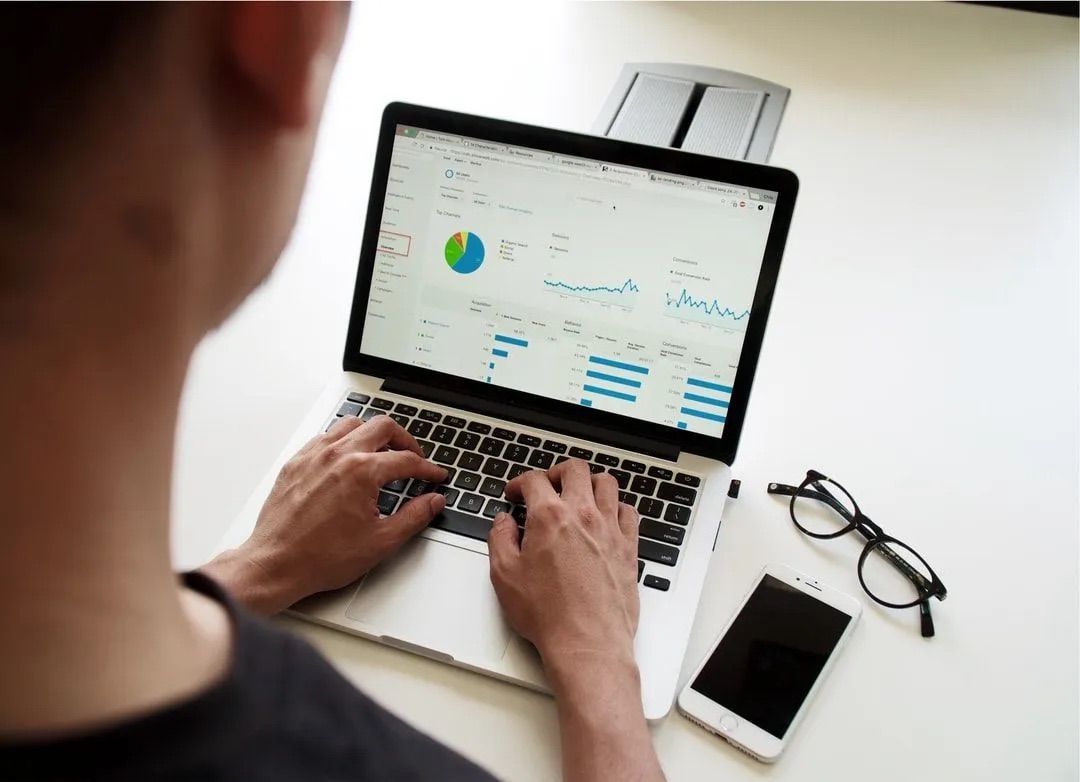
- Conversion tracking: In-platform tools, such as Google Analytics, let you track your ads' conversion rates, click-through rates (CTRs), and other key metrics. This can help you test out different ads and strategies as you get to know your target market.
- Cost control:
PPC campaigns require you to pay only when users click or tap on your advertisement, reducing your total costs. This also means you won't lose too much money on unsuccessful ads, which is essential if you're still testing out different strategies. This cost-effective approach also helps you identify how much your small business should budget for PPC, which can range from $500 to $10,000 per month.
Developing Compelling Ad Copy
The text in your ads should convey a clear and concise message that inspires viewers to take direct action or, at the very least, leaves a lasting impression. PPC ads, in particular, should always include a call to action (CTA) that encourages clicks. This can take many forms based on where your customers are in the sales funnel. For instance, a search ad's meta description could highlight everything readers will learn by clicking on the link, while a product-specific social media ad could lead customers to that product page.
Your ad copy must also feature relevant keywords based on your offerings, users' interests, and their search queries. For example, your Google Ads copy should include long-tail keywords based on users' searches, such as "how to replace a flat tire." Many platforms also let you dictate negative keywords that are only tangentially related to your product or service.
For example, a local tire repair business may not want to attract searches related to other auto services and would likely list "oil change," "brake repair," "AC repair," and other terms as negative keywords.
Combining your social media ad copy with eye-catching visuals helps you grab potential customers' attention long enough for them to read your full text. Of course, while your ads should be attractive and attention-grabbing, your visuals shouldn't distract from your message. Use contrasting colors, borders, text bubbles, and other visual cues to subconsciously encourage viewers to read the ad copy.
Advanced PPC Strategies
Various strategies and platform-specific tools will help you create a PPC campaign that actually converts and drives traffic to your site. These tools include:
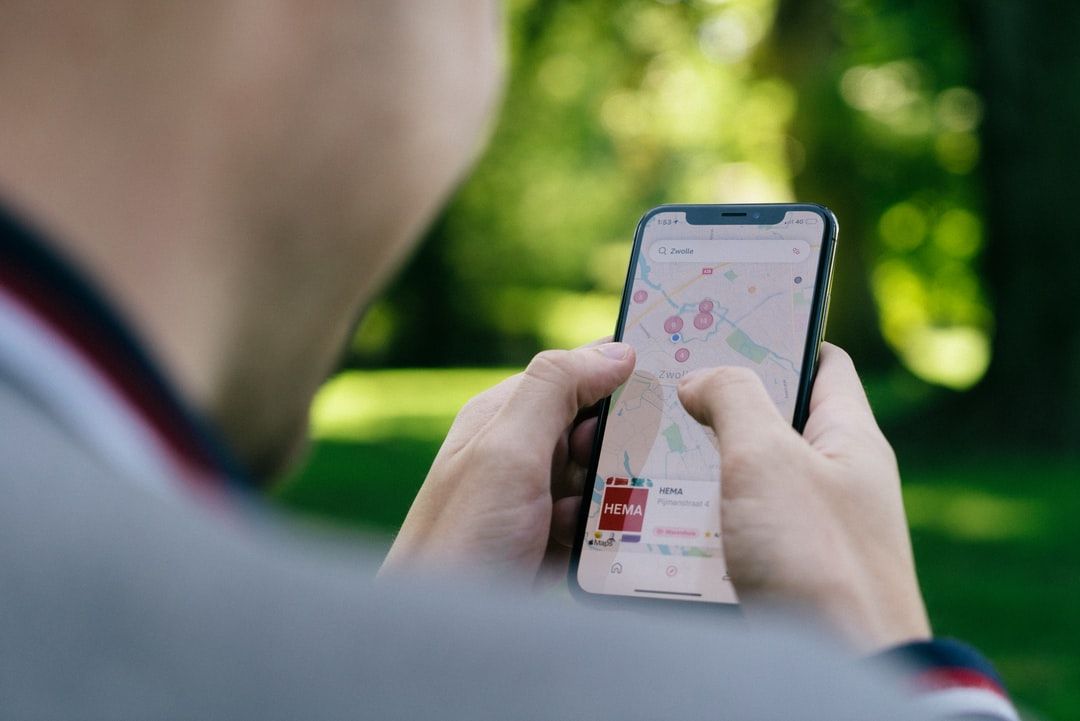
- Geotargeting: Target social media and search engine users based on their location. Each platform uses different types of data to estimate users' locations, including their account information, Internet Protocol (IP) address, Global Positioning System (GPS) data, and relevant search terms.
- Dayparting: This PPC strategy schedules advertisements based on the hours when your user base is most active. For instance, many social media users are most active during the evening and on the weekend. Effective dayparting requires you to thoroughly track and understand your market's typical online behavior using various platforms' analytics.
- Retargeting: Also called "remarketing," retargeting uses anonymous cookies and tracking codes to market to online users who have previously visited your site or purchased your products. These types of ads encourage people to move further along the sales funnel, inviting interested customers to check out your products and turning one-time customers into long-term ones.
Managing PPC Budgets
Using PPC management for your small business's digital advertising lets you maximize your return on investment and focus your budget on your most effective strategies — especially since you won't have to pay for ineffective views.
Before you set your PPC budget, you must define your campaign's goals. Most PPC campaigns focus on direct conversions, such as sign-ups and sales, making it easy to track your exact return on investment. Other campaigns prioritize brand awareness, web traffic, and new leads, especially when customers are still at the beginning of the sales funnel.
Understanding what you stand to gain from your campaign will then help you determine how much to invest without overspending.
While some small businesses spend thousands of dollars each month on PPC ads, you may want to start with a budget between $500 and $1,500 when you're just getting started. The data you pull from continuous monitoring will then guide you as you optimize and expand your campaign.
Analyzing Campaign Performance
As your campaign progresses, you should track conversions, sales, and CTRs to learn what works best for your unique audience. Use as many metrics as possible, such as clicks, dates, times, social media engagement, video views, and actual sales, for a comprehensive understanding. Partnering with a PPC agency for small businesses can help you optimize your strategy across each advertising platform.
Key PPC metrics to track for small businesses include:
- Clicks and click-through rates
- Direct sales, sign-ups, and conversions
- Dates and times of user activity
- Likes, shares, comments, and other types of social media engagement
- Video views and average watch times
- Quality scores provided by platforms
- Return on ad spend (ROAS)
Partnering With Professionals
Working with a specialized PPC agency for small businesses, such as Optimize Digital Marketing, will give you the tools and insights you need to stand out in the fast-paced world of online advertising. Our industry-leading solutions will help you drive more conversions and create a clear digital image for your brand.
Contact Optimize today to learn more about PPC for small businesses.