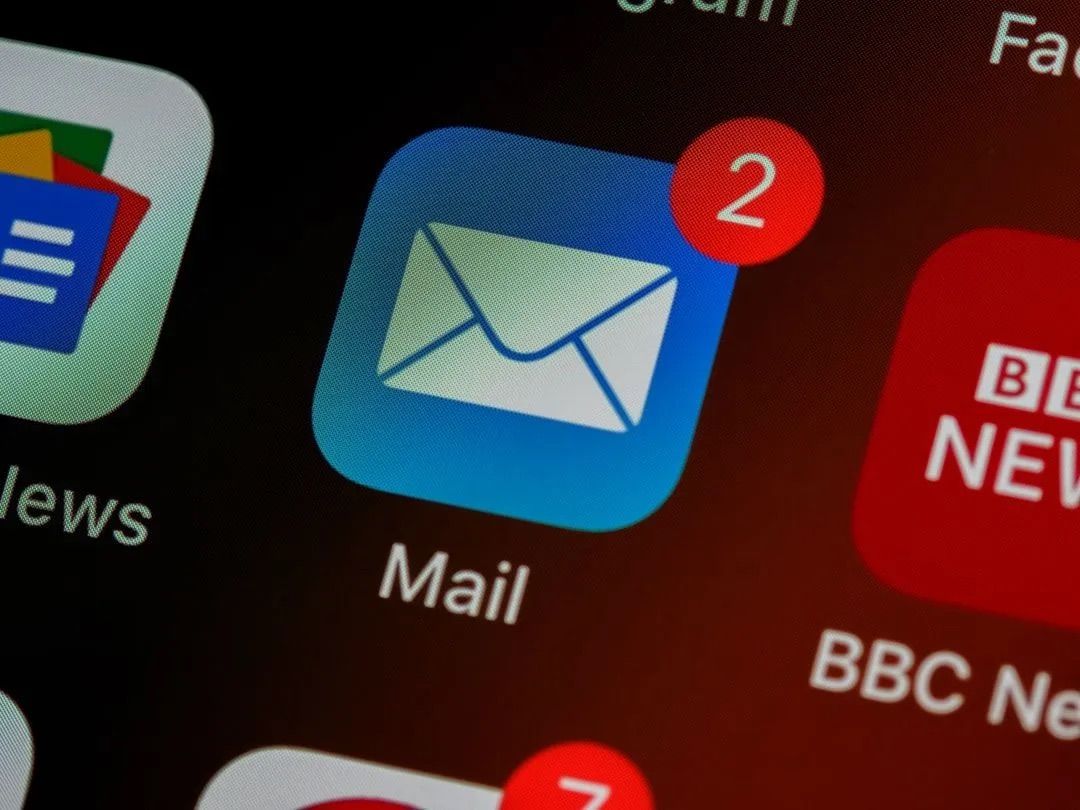
Thirty years ago, if a customer needed to get ahold of a business, they either called in or showed up at their front door. But now, clients have plenty of other ways to get in touch. You might answer a direct message (DM) on Facebook, then schedule a few appointments over email. Oh, and the phone still rings, but now it's a smartphone instead of a landline.
All this communication is great for business, but it can make it hard to track scattered customer data. Want to send a coupon to clients you haven't heard from this year? You may need to sift through half a dozen channels to figure out when everyone last reached out. And good luck following up on a quote when you can't even remember where you sent it.
Social CRM can help you manage all your client data in one place, so you have a 360-degree view of these relationships. It's a spreadsheet-free way to get organized and offer even better customer service.
Understanding Social Customer Relationship Management (CRM)
Social CRM software combines social media channels with traditional customer relationship management (CRM) tools. It automatically tracks all your customer interactions, from emails to Instagram DMs and phone calls.
This technology is more than a 21st-century call log, though. It also lets you manage your
social media campaigns by scheduling posts and answering messages. Plus, it gathers client and social media data in a centralized dashboard. No more hopping between chaotic spreadsheets and Facebook to find out when a customer asked about your buy-one-get-one special.
Social CRM vs Traditional CRM: What's the Difference?
You may have already dabbled with traditional CRM platforms like HubSpot and Salesforce. These tools focus on tracking calls and emails. Businesses often use them for lead generation and to help move customers along the sales pipeline. For example, a sales rep might send a follow-up email to a potential customer after a product demo.
A social media CRM still does all that, but it also gathers unstructured social data. If a customer comments on your Facebook post or mentions you in an Instagram caption, the software logs it. It also uses social listening to monitor the overall sentiment about your brand. Are clients venting about a price increase on Instagram? Social CRM will flag it, so you can step in quickly for
reputation management.
This technology helps you gather a complete history of each customer, so you have more context for every interaction. Let's say a client asks about your engine repair services in an Instagram comment but never follows through to schedule an appointment. The next time they come in for an oil change, you can ask if they ever figured out what was causing that knocking — and, if not, offer your services on the spot.
Types of Social CRM
Not all social CRM tools are created equal. Here are four kinds to consider:
- Operational CRM: Focuses on automating business operations and social tasks. For example, it can automatically score leads and schedule appointments.
- Analytical CRM:
Includes more specialized data analytics tools.
- Collaborative CRM:
Helps internal teams work together to offer top-notch customer service. A marketing team may use this software to collect data, while the sales department uses that same information for lead management.
- Strategic CRM:
Uses personalization and data analysis to build lasting customer relationships.
Why Do Businesses Need a Social CRM?
If you've been getting by with a tattered appointment book and a daily Facebook check-in, you may wonder if you really need CRM for social media. The answer is yes. Here are five reasons why it's well worth the investment.
Stop Missing Valuable Interactions
As a business owner, your attention is pulled in a dozen directions before your morning coffee cools. With so much to do, it's easy to overlook all those little social interactions that could lead to something more. For example, a Facebook follower who asks about a price may be ready to book an appointment soon. But if you never follow up — or worse, ignore their DM — that sale could slip away unnoticed.
CRM can also help you increase customer
engagement. If you notice that your silly skits get the most likes, schedule more time to record with your team. Or maybe social media monitoring shows that people are praising your new service packages, so you promote them more. Little strategy tweaks like these can help build
brand awareness on social media, creating a cycle of positive interactions.
True Marketing Insights and Customer Profiles
You can glean tidbits about your clients from your conversations and what they buy. But social data can help you get to know them on an even deeper level. Someone who always likes your car detailing videos may be struggling with maintenance or busy parenting. If you send them a 10% off coupon for that service, they might jump at the opportunity to clean up their ride.
Identify and Prioritize High-Value Leads
CRM software can help you sort the casual browsers from the people who are most likely to buy something. A lead who follows you on three social media platforms and schedules a consultation is probably eager to book. On the other hand, someone who only occasionally likes your Facebook posts may not convert any time soon. These insights help your sales team decide where to spend their limited time.
Data Centralization
Trying to track information across half a dozen platforms is incredibly time-consuming, even for only one client. With social CRM, everything gets neatly stored in customer profiles, so you can see all your interactions at a glance.
Seamless Customer Service and Support
Improving the customer experience is one of the biggest benefits of
CRM for small businesses. Say, for instance, a client calls and says their car is stuttering when they drive on the freeway. With CRM, you can see that they've already messaged you twice about this issue and skim your conversations quickly. That way, your team doesn't waste time and annoy customers by gathering the same information again and again.
Common Challenges of Social Customer Relationship Management
Combining CRM and social media has plenty of benefits, but it's not a magical cure-all. Here are a few obstacles you may run into:
- Sifting through meaningful data:
Even if you have a modest social media following, you can quickly get swamped with data. When every comment and like gets recorded, it's not always easy to sort the metaphorical gold from the dirt.
- Keeping up with new platforms and trends: No one could ever accuse social media of being static. Platforms like Threads and Lemon8 attract users who are looking for alternatives to more mainstream options. User habits constantly change, too.
Baby Boomers, for instance, are joining younger people on Instagram. If you cater to this group, start brainstorming Stories and Reels to keep up.
- Turning data into strategy:
Collecting heaps of data can feel productive. But if you don't know how to organize that information and translate it into a plan, it won't get you far.
- Training your teams: Even the most tech-savvy employees need help learning how to use new social CRM features. Changing customer behavior can also make it difficult to handle interactions, even with detailed customer profiles.
- Return on investment doesn't grow overnight: Unlike a paid ad campaign or a coupon giveaway spree on your sidewalk, CRM doesn't get instant results. This software can absolutely help you build customer loyalty and improve conversion, but it takes time. Be patient, and look for ways to put your newfound data to work.
Taking the Next Step in Digital Relationship Management
Social CRM is your ticket to stronger connections. When you can see all the ways customers interact with your business, you'll naturally find new ways to support them. Plus, it prevents awkward miscommunications, like sending the same customer two different quotes through email and Facebook.
Get started with
Optimize HQ. This social CRM platform helps you manage every aspect of your customer relationships, from answering DMs to responding to reviews and scheduling content.
Contact us to learn more about how Optimize Digital Marketing can improve your campaigns — or even take them over completely.